Local Phytoremediation Project - Test Plots at Hester House in Fifth Ward
Background/Objective
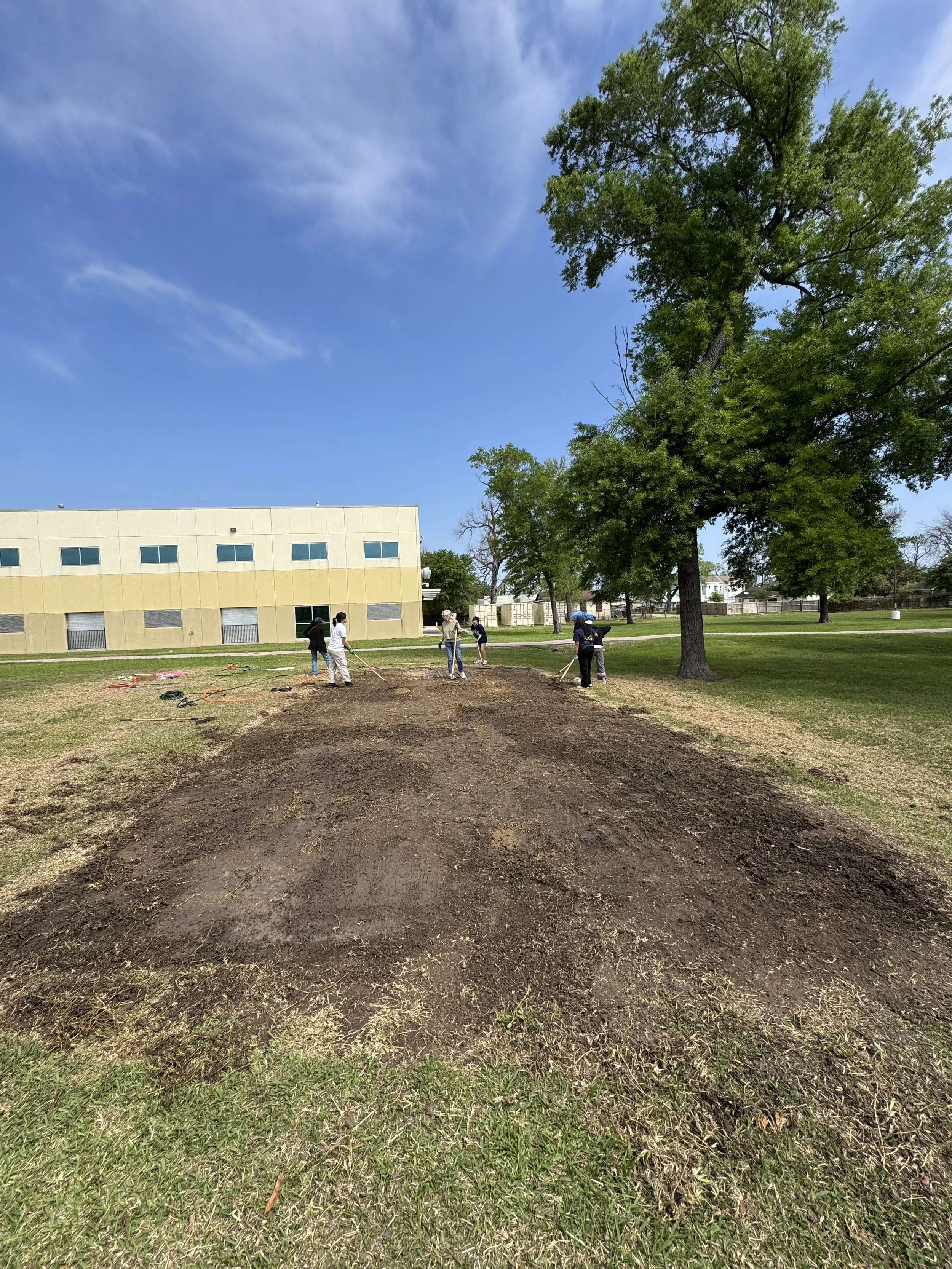
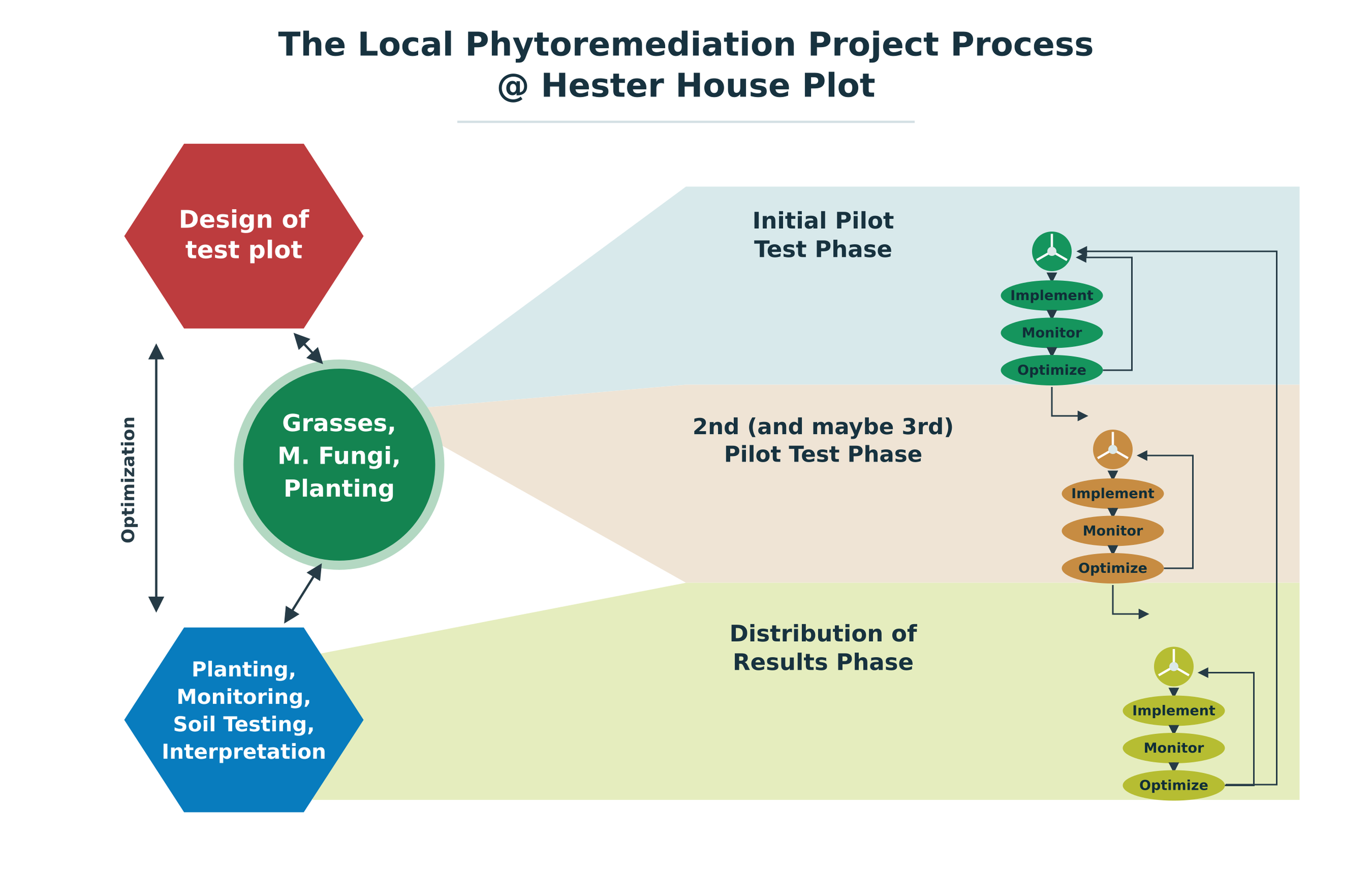
Preparing the initial pilot test (may 2026)
Nature-based Infrastructure (NBI), when planted with native grasses and forbs in various areas in the Greater Houston Region, provides a variety of important ecosystem services, including substantial water absorption, flood resilience, erosion control, improved air and water quality, reduced airborne allergens, wildlife habitat and beneficial soil enhancements. In areas of our region where containments have adversely affected the surrounding soil, these NBI plantings can also reduce the containments in the soil. The term for this purposeful removal of containments by targeted native trees and/or grasses is called “Phytoremediation.” Phytoremediaton is an ecosystem restoration approach to contaminant (heavy metals/toxins) remediation, which involves the use of native trees/grasses to extract and remove elemental pollutants or lower their bioavailability in soil, taking advantage of the symbiotic relationship between certain trees and grasses with mychorrizal fungi - added to the plantings.
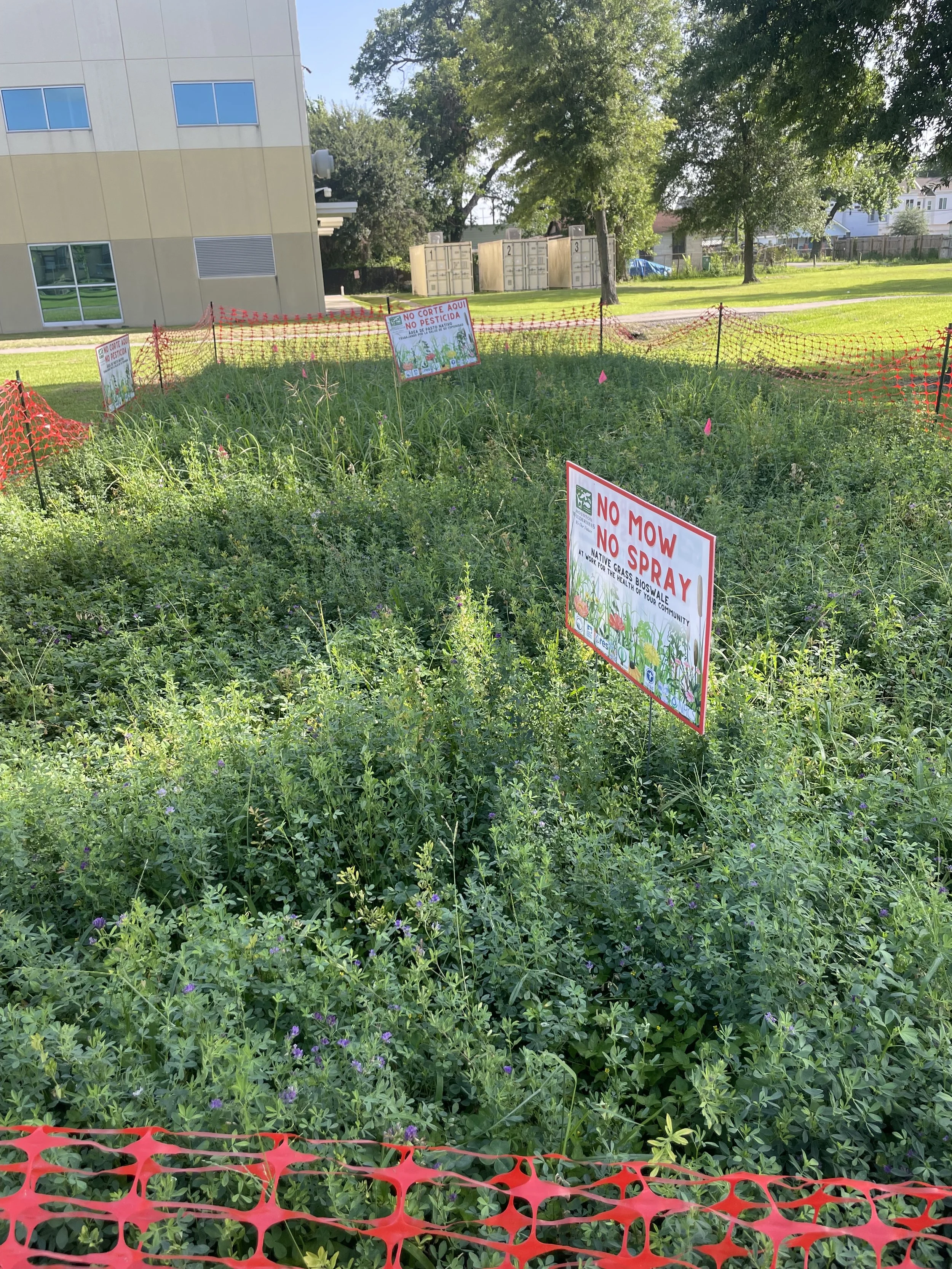
Initial Pilot test - native grasses growth with targeted species - alfala & white clover (august 2026)
HW, with partners from the City of Houston, Harris County, the Houston Health Department, TSU, UH, Rice University and community leaders are testing the opportunities that Phytoremediation through targeted NBI plantings might provide in areas of our region, particularly near railroad tracks where higher than normal levels of dioxin were used for many years before it was recognized that this chemical is hazardous at high levels. Where concentrations of dioxin are found in the soil in our region that EPA declares as “acceptable levels, the containments remain in place in the soil. Dioxin has been detected in the soil at Hester House but at acceptable health risk levels. Even though the levels are acceptable, we are conducting a pilot study on a plot of land at Hester House to ascertain if dioxin concentrations in soil can be decreased using a simple nature-based solution.
Specifically, the Local Phytoremediation Project involves testing the efficacy of growing alfalfa and native white clover with augmentation of the soil with mycorrhizal fungi to naturally reduce the dioxin concentration in the soil. Research published in the scientific literature indicates these plants, with the M. fungi added, may break down dioxin contamination. If the Local Phytoremediation Project results indicate that dioxin can be reduced in this manner, the community will be made aware of this option for reducing dioxin in their soil if they desire, even though the current level is at acceptable health risk levels.
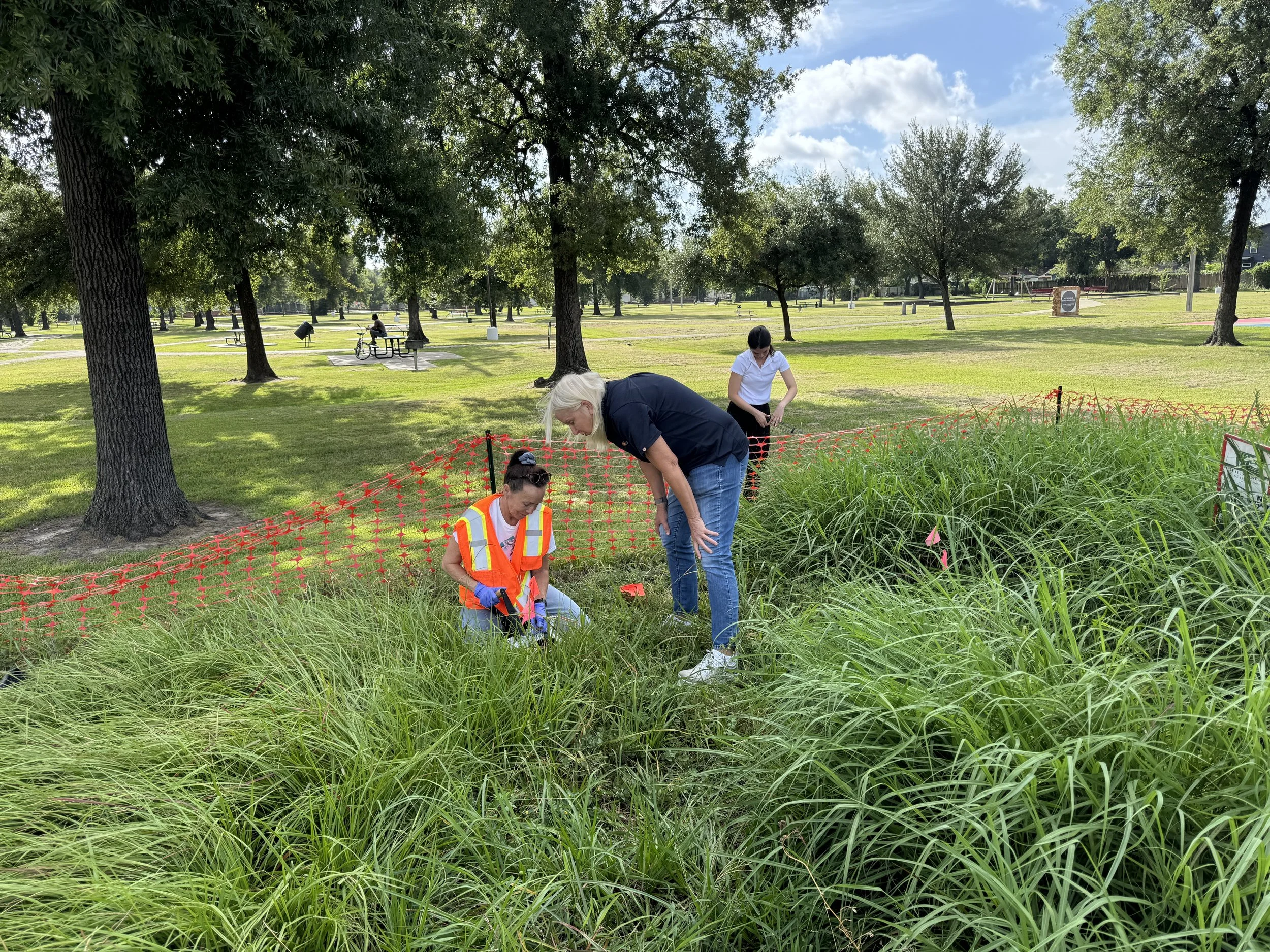
HHd testing the soil at initial Pilot for analysis of phytoremediation impacts to the soil surrounding the targeted native grasses
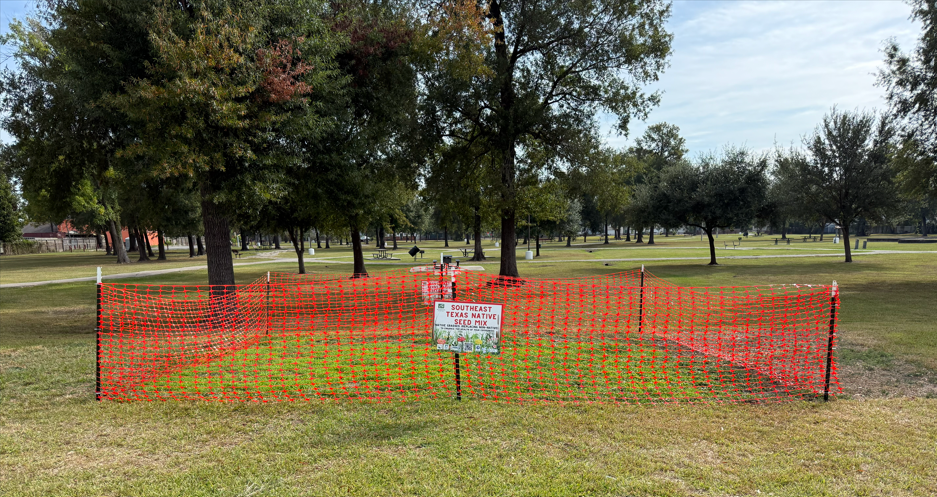
2nd pilot test - newly planted in october 2026 - targeted native grasses were alfalfa and white clover
Status of Phytoremediation Pilot Tests (as of Nov 2026)
October 12, 2026: County staff removed existing grass in the Hester House pilot test plot area prior to planting. Surface soil (0–2 inches) in the plot was then planted with alfalfa and white clover and the soil was augmented with mycorrhizal fungi. County staff removed existing St. Augustine grass in the test plot prior to planting. The grasses are being watered regularly.
September 2026: a decision was made by the partners to remove the grasses from the Initial Pilot Test and begin again with a 2nd Pilot Test in the same plot area. The same grass seeds were planted - alfalfa and native white clover - with the seeds spread evenly across the test plot, as well as M. Fungi spores.
May 2026 - August 2026: the Initial Pilot Test plot was watered regularly throughout the summer, and HHD staff tested the soil at the Initial Pilot Test area, with varying results.
May 2026: The Initial Pilot Test was planted with alfafa and native white clover seeds, along with M. Fungi spores.